




How Rare Earths, AI Chips, Solar Panels and Critical Minerals Are Redrawing the Geopolitical Map
Standfirst
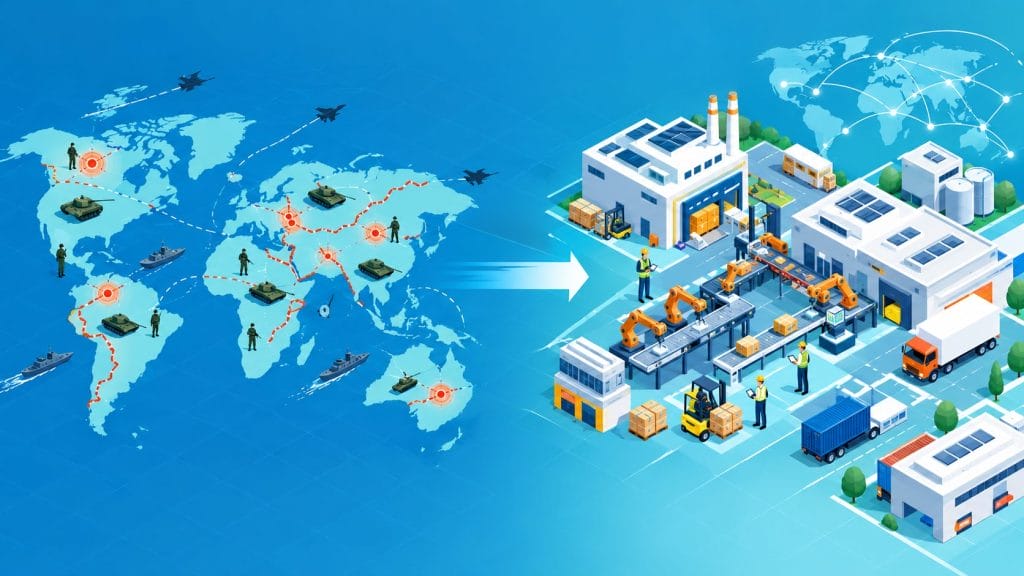
For centuries, nations measured power through armies, warships and territorial conquest. Today, a quieter contest is unfolding. The world’s most decisive battles are increasingly fought not on battlefields, but in mines, factories, laboratories and shipping lanes. From rare-earth magnets to AI chips and solar panels, technology supply chains have become the strategic arteries of modern civilization. As India accelerates its journey toward becoming a global manufacturing and innovation hub, it faces a defining question: Can it transform from a consumer of critical technologies into a trusted architect of resilient supply chains?
“The wars of the twenty-first century may not always be declared with gunfire. Some begin with an export restriction, a factory shutdown, or a missing shipment of a seemingly ordinary industrial component.”
A Morning Without Technology
Imagine waking up tomorrow morning. You reach for your smartphone. The screen remains dark. Your electric toothbrush refuses to start. The elevator in your apartment remains frozen. The metro services are suspended. The electric vehicle charging station displays an error. The nearby solar farm has halted expansion because essential components are unavailable. The factory producing wind turbines announces an indefinite delay. Nothing appears connected.
Yet every one of these disruptions shares a common origin.
Somewhere, thousands of kilometres away, a tiny but indispensable component failed to arrive. It might be a rare-earth magnet no larger than a coin. A semiconductor chip scarcely visible to the naked eye. A specialty chemical manufactured by only a handful of companies. Or a precision machine tool without which an entire production line falls silent. Modern civilization resembles an orchestra. Most people admire the music. Very few notice the conductor. Supply chains are those invisible conductors. When they falter, entire economies begin to lose rhythm.
The Invisible Architecture of Modern Power
The twentieth century taught nations to pursue military superiority. The twenty-first century is teaching them something equally profound. Industrial capability is strategic capability. A modern fighter aircraft depends upon thousands of suppliers. A satellite carries components sourced across continents. An AI data centre relies on advanced processors, cooling systems, speciality chemicals, optical fibres and uninterrupted electricity.
An electric vehicle is not merely an automobile. It is an intricate ecosystem involving lithium, nickel, cobalt, graphite, copper, rare-earth magnets, sophisticated electronics, precision manufacturing, advanced software and global logistics. Behind every finished product lies a remarkably complex web of interconnected industries. The stronger and more diversified this web becomes, the more resilient a nation grows.
From Globalisation to Strategic Competition
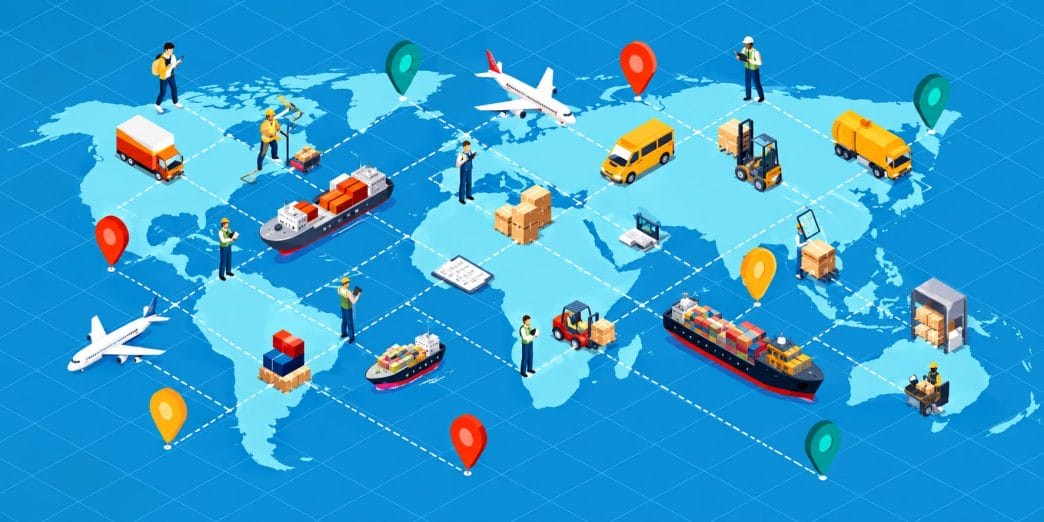
For nearly four decades, globalisation promised a simple bargain. Manufacture wherever costs were lowest. Ship products anywhere. Allow markets to optimise production. Consumers benefited. Companies expanded. Trade flourished. The world became astonishingly interconnected. Yet this remarkable efficiency concealed a hidden vulnerability.
Many industries gradually concentrated production in a limited number of regions because they offered superior infrastructure, skilled labour, supportive policies and economies of scale. Efficiency increased. Resilience quietly diminished. When global disruptions occurred, whether pandemics, natural disasters, shipping bottlenecks or geopolitical tensions, the consequences travelled rapidly across borders. Factories halted production. Delivery schedules slipped. Prices climbed. Governments suddenly realised that economic security and national security were becoming inseparable.
The Rise of the New Great Game
History often repeats itself, not in identical forms, but in familiar patterns. The nineteenth century witnessed intense competition over colonies, trade routes and maritime dominance. The twentieth century revolved around oil, industrial production and ideological rivalry. The twenty-first century is shaping up around a different set of strategic assets, such as rare earth elements, semiconductors, artificial intelligence hardware, batteries, critical minerals, renewable-energy equipment, advanced manufacturing, data infrastructure, and skilled human capital.
These are no longer merely commercial products. They have become strategic capabilities. Control over their production, refinement and distribution increasingly influences economic resilience, diplomatic leverage and technological leadership. The contest is less visible than traditional warfare. Yet its consequences may prove equally far-reaching.
Why Rare Earths Matter More Than Their Name Suggests
The term rare earths is somewhat misleading. Many of these elements are not exceptionally scarce in the Earth’s crust. The real challenge lies elsewhere. Extracting them economically. Separating them safely. Refining them efficiently. Transforming them into advanced industrial materials.
This requires decades of scientific expertise, specialised equipment, environmental safeguards, patient investment and sophisticated industrial ecosystems. Among their many applications, rare-earth magnets power electric vehicle motors, wind turbines, precision-guided systems, medical imaging equipment, industrial robots, smartphones, and aerospace technologies.
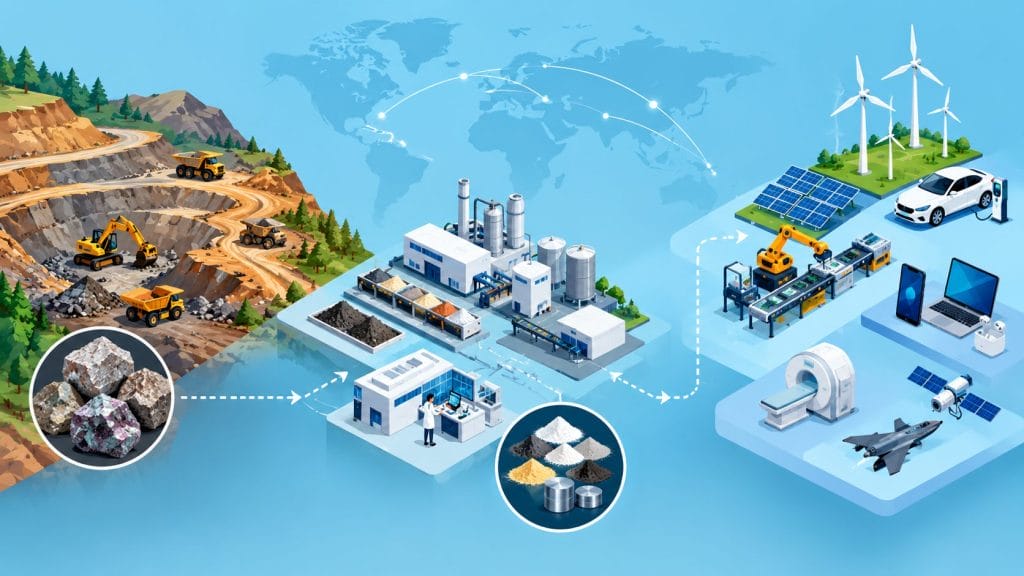
Without them, many modern industries would struggle to function at scale. This explains why announcements such as India’s first NdFeB rare-earth magnet manufacturing plant attract attention far beyond a single factory. The importance lies not only in producing magnets, but in taking a step toward building more of the value chain domestically rather than relying solely on imported finished components.
The Lesson Hidden in a Solar Panel
Another revealing example comes from the global solar industry. Many countries successfully installed solar farms. Far fewer built the complete manufacturing ecosystem: from refining raw materials to producing wafers, cells, modules and supporting equipment. The result was that while solar adoption accelerated worldwide, manufacturing capacity became concentrated in relatively few regions.
For countries seeking both clean energy and industrial resilience, this has highlighted the importance of balancing affordability with diversified supply chains, domestic capability and international partnerships. The lesson extends far beyond solar energy. It applies equally to semiconductors, batteries, medical equipment, telecommunications, and artificial intelligence infrastructure. And, perhaps, every strategic technology of the coming decades.
“A nation that imports technology purchases today’s products. A nation that builds technology shapes tomorrow’s possibilities.”
To Be Continued…