



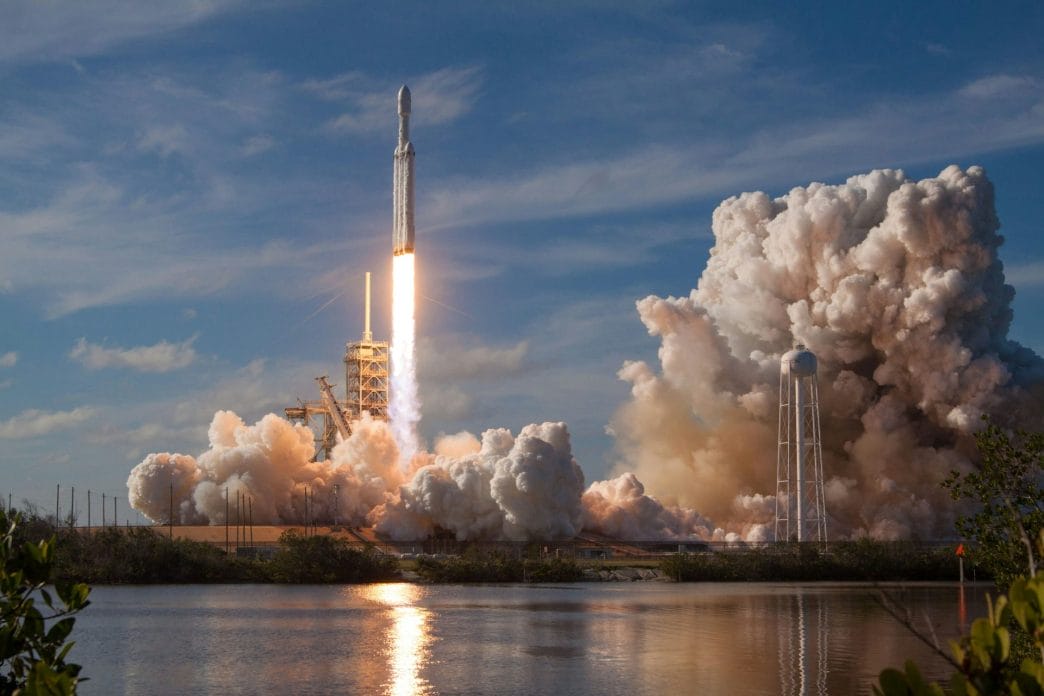
“History rarely changes because of a single invention. It changes when that invention becomes affordable enough for everyone to use.”
When the Wright brothers flew for just 12 seconds in 1903, few imagined that within a century, over 100,000 commercial flights would crisscross our skies every single day.
The airplane did not transform the world because it could fly. It transformed the world because it eventually became reliable, reusable, and economically viable.
Today, reusable rockets stand at a remarkably similar crossroads.
The spectacular landings that dominate television screens are only the opening act. The real story begins after the applause fades. Every successful recovery represents something far more significant than engineering brilliance – it signals the birth of an entirely new economic ecosystem.
The next great revolution moves us beyond launching rockets, into an era of building an economy beyond Earth.
From Launch Industry to Space Industry
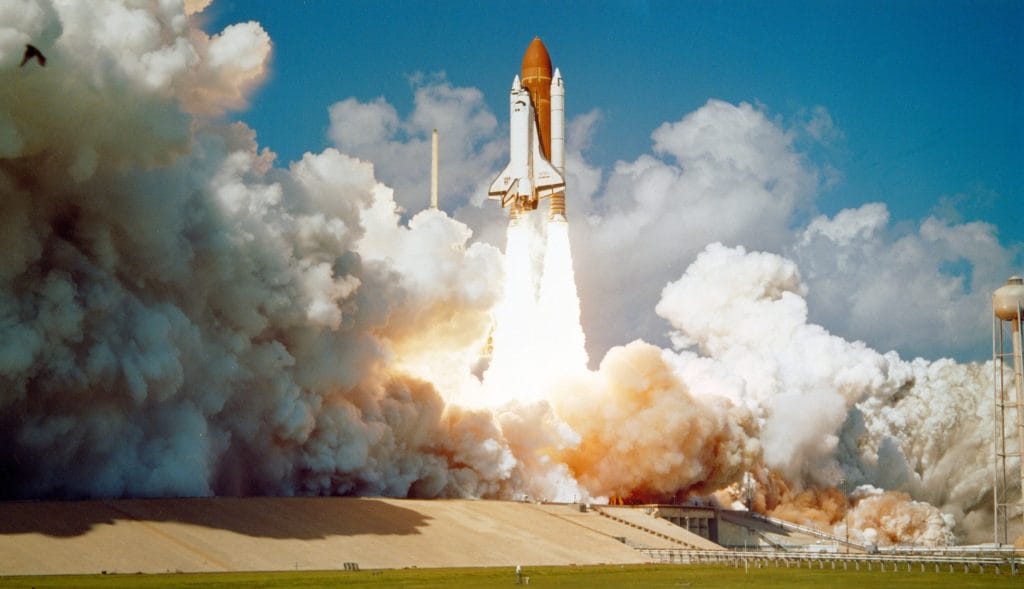
For decades, the space sector revolved around one expensive event: a launch.
Governments planned missions years in advance, budgets ran into billions, and every rocket represented a once-in-a-lifetime opportunity.
Reusable rockets change that equation completely.
As launch costs fall and flight frequency rises, space transitions from a government-led scientific endeavour into a thriving commercial marketplace.
Imagine orbit becoming the world’s newest industrial zone. And, instead of counting launches annually, we may soon count them daily.
The Industries Waiting to Be Born
Every technological revolution creates businesses that previous generations could scarcely imagine. The railway created logistics empires, the internet created e-commerce, Artificial Intelligence is creating autonomous enterprises.
Reusable rockets will unlock industries that today exist mostly on drawing boards.
Orbital manufacturing may produce ultra-pure semiconductors, advanced pharmaceuticals, fibre optics and exotic materials impossible to create under Earth’s gravity. Private space stations could become research laboratories, factories and even hotels. Lunar cargo services may emerge as routine logistics businesses. Asteroid prospecting, once confined to science fiction, may gradually evolve into commercial exploration.
The winners of tomorrow may not be the companies that build rockets, but those that build businesses because rockets have become inexpensive.
Why India Should Think Bigger
India has already earned global admiration for doing more with less.
Chandrayaan, Mangalyaan and other ISRO missions demonstrated that disciplined engineering can outperform lavish spending.
The next challenge is different – and India must not limit its ambition to launching satellites.
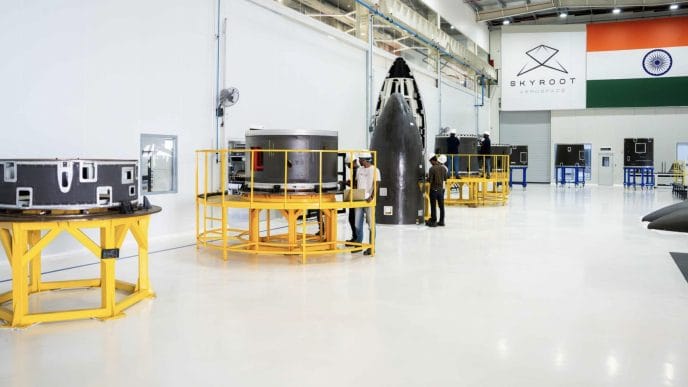
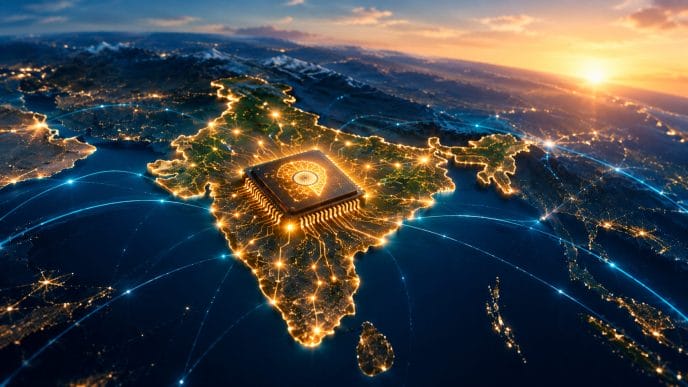
It should aspire to build complete space ecosystems: launch vehicles, satellite manufacturing, in-orbit servicing, robotic exploration, AI-driven mission planning, space robotics, advanced propulsion, and commercial applications that create jobs for millions.
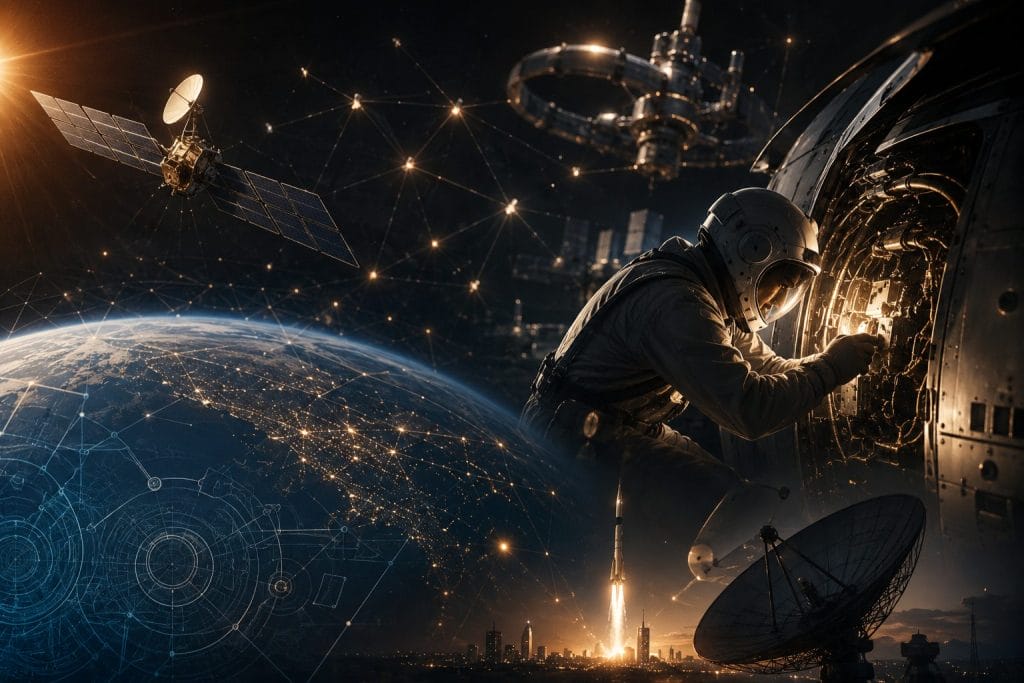
The opportunity this presents is beyond merely scientific. The impact of such innovations could transform the industrial sector, as we know it.
And, just as software transformed India’s economy over the past three decades, space technologies could become another pillar of national growth.
The Silent Strategic Race
Space has evolved beyond being viewed as simply a scientific frontier. It has become a strategic domain.
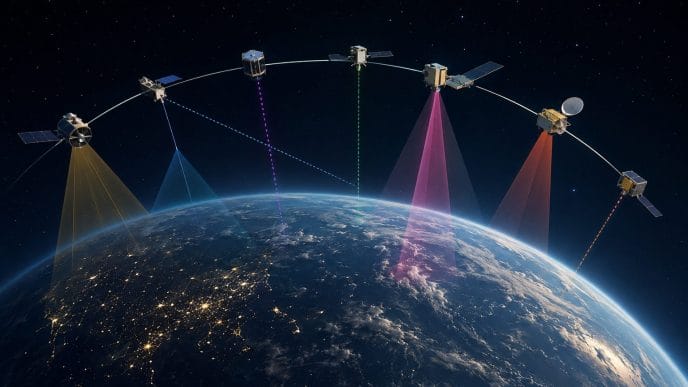
Satellites support navigation, communication, weather forecasting, agriculture, banking, disaster management and national security. A nation capable of launching replacement satellites rapidly enjoys a significant strategic advantage. Reusable launch systems strengthen that capability by reducing cost and increasing responsiveness.
The future contest among nations may depend not on how many rockets they possess, but how quickly they can launch the next one.
The Human Story
Behind every rocket lies an engineer solving impossible equations. A technician assembling components with microscopic precision. A programmer writing autonomous landing algorithms. A scientist developing lighter materials. A machinist crafting engines that must perform flawlessly under unimaginable temperatures and pressures.
Reusable rockets remind us that every technological miracle is ultimately a triumph of human curiosity, persistence and collaboration.
Looking Beyond the Horizon
Within our lifetime, children may regard launches the way we regard airline departures. They could be considered routine, predictable, and affordable. Spacecraft may ferry cargo between Earth and lunar bases. Orbital factories may manufacture products we cannot yet imagine. Students could conduct experiments aboard commercial space laboratories. Tourists may spend weekends in orbit.
The reusable rocket, then, doesn’t simply become the destination. It becomes the bridge.
Takeaway
Reusable rockets will not be remembered simply because they landed vertically, but because they transformed space from an occasional adventure into a permanent economic frontier.
The first Space Age taught humanity how to leave Earth. The second Space Age is teaching us how to return. And in returning, how to build an entirely new civilization beyond our home planet.
The countdown has already begun.
The future is no longer beyond liftoff – it begins after the landing.