



“The future of space doesn’t belong to the rocket that flies the farthest—it belongs to the one that returns, refuels, and flies again.”
The End of the Disposable Rocket
For over six decades, humanity has celebrated every spectacular rocket launch with awe. Towering columns of fire pierced the heavens, carrying satellites, astronauts, and dreams beyond Earth’s atmosphere. Yet behind every triumphant launch lay an astonishing reality – most rockets were designed to die.
Imagine boarding a brand-new Boeing 787 for a flight from Delhi to London, only to watch the aircraft being discarded into the ocean immediately after landing. Absurd? Economically catastrophic? Yet that was precisely how the space industry operated for generations. Every launch consumed billions of dollars’ worth of sophisticated engineering, only for much of it to be destroyed within minutes.
That model is now becoming obsolete.
A quiet but profound revolution is unfolding in the global space industry. The question is no longer Who can reach space? Instead, the defining question of the twenty-first century has become:
Who can return from space, refurbish quickly, and launch again at the lowest possible cost?
This single capability – rocket reusability – is transforming spaceflight from an occasional scientific achievement into a scalable transportation system. It promises to lower costs, increase launch frequency, fuel commercial innovation, and determine which nations will lead the next great chapter of human exploration.

Today, three major powers stand at the forefront of this race: the United States, China, and India. Each is pursuing the same destination, but each has chosen a remarkably different path.
Why Reusable Rockets Matter
The first stage of a launch vehicle is the workhorse of every mission. It burns the bulk of the fuel, generates the immense thrust needed to escape Earth’s gravity, and represents a large share of the rocket’s manufacturing cost.
Traditional launch systems treat this engineering marvel as disposable. After completing its job, the booster either crashes into the ocean or burns up in the atmosphere.
Reusable rockets turn this logic upside down.
Instead of becoming expensive scrap metal, the booster performs a controlled return, lands vertically or glides back safely, undergoes inspection and maintenance, and is prepared for another mission.
Think of the difference between buying a new car every morning and simply refuelling the one parked in your garage.
That single shift changes the economics of space.
Lower launch costs mean more satellites, more scientific missions, more commercial opportunities, faster technological innovation, and eventually, routine access to orbit. Space begins to resemble commercial aviation rather than one-off expeditions.
The era of disposable rockets is gradually giving way to an era of reusable space transportation.
Three Nations, Three Philosophies
Although all major spacefaring nations recognise the importance of reusability, their strategies reflect different strengths, priorities, and economic realities.
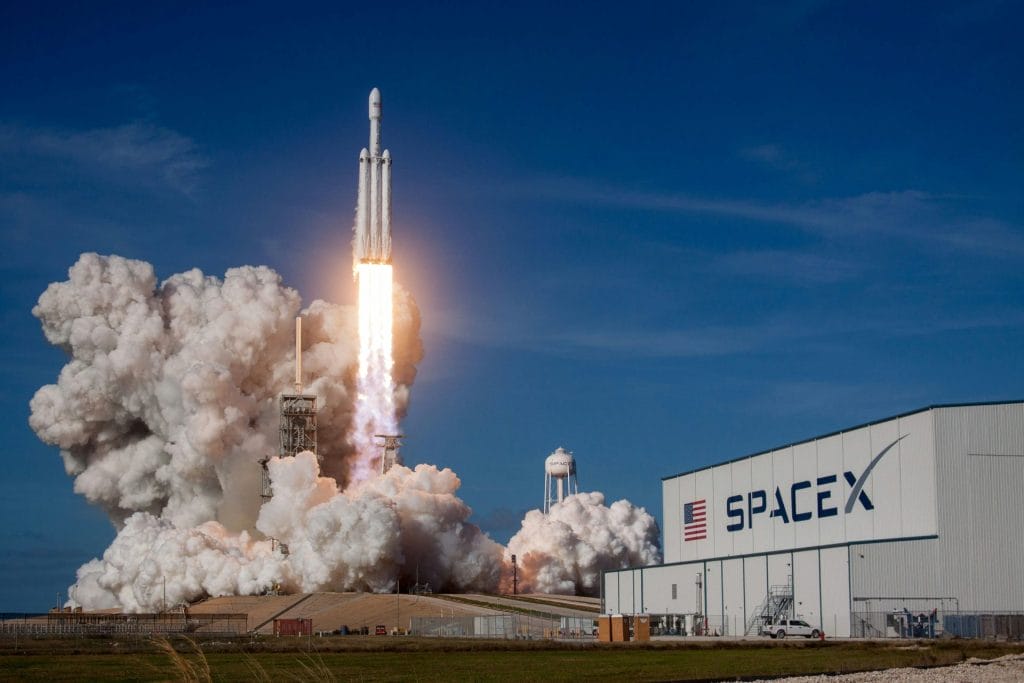
🇺🇸 United States: Innovation at Breakneck Speed
If one nation has fundamentally altered global expectations, it is the United States.
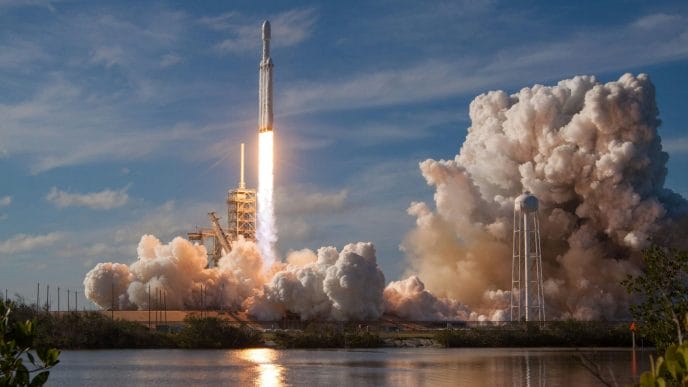
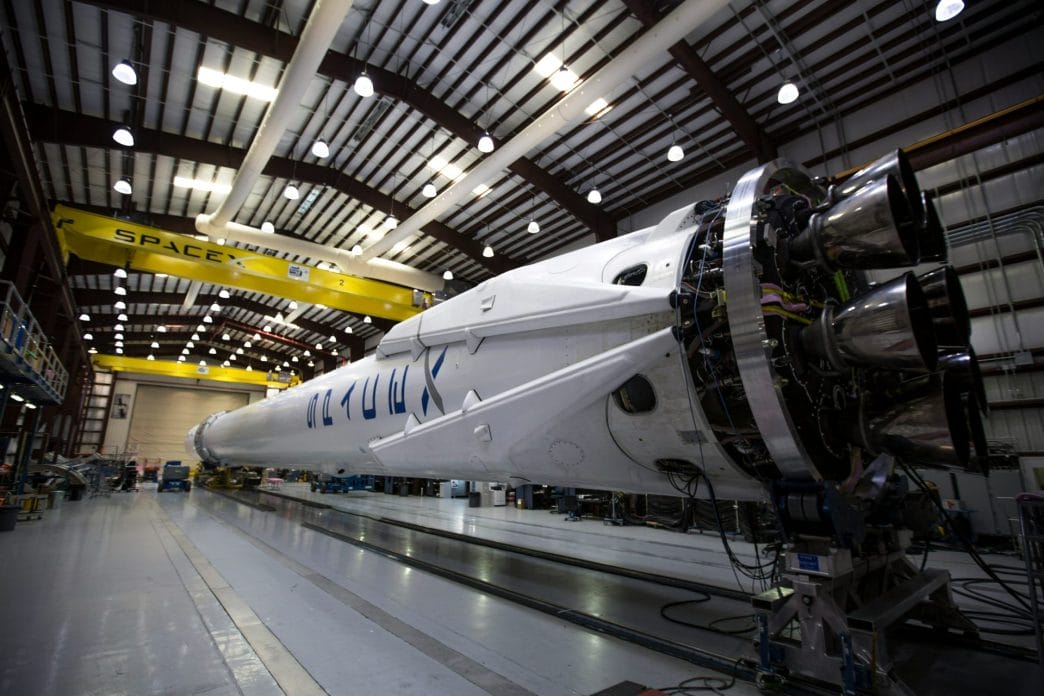
American private companies, led by SpaceX, demonstrated that landing an orbital-class booster was not science fiction but sound engineering. What initially appeared almost impossible, guiding a towering rocket back to a tiny landing pad, has become a routine spectacle.
Yet the true achievement is not the landing itself.
The breakthrough lies in rapid refurbishment. Every successful reuse saves manufacturing effort, reduces launch costs, and allows rockets to fly repeatedly. The emphasis is on learning through rapid experimentation. Failures are accepted as part of the engineering process because every test accelerates improvement.
The United States has effectively shifted spaceflight from handcrafted engineering toward industrial-scale operations.
Its long-term ambition extends well beyond launching satellites. Fully reusable systems could support lunar bases, orbital fuel depots, deep-space exploration, and eventually human missions to Mars.
🇨🇳 China: Strategic Acceleration
China has entered the reusable rocket race with remarkable determination.
Supported by substantial state investment and an expanding commercial launch sector, Chinese engineers are rapidly developing reusable launch technologies while simultaneously expanding satellite constellations, lunar exploration, and plans for crewed deep-space missions.
Unlike the entrepreneurial ecosystem driving American innovation, China’s approach combines central planning with growing private participation. Progress is measured, deliberate, and aligned with long-term national objectives.
Every successful recovery test sends a broader message: China intends not merely to participate in the new space economy but to become one of its principal architects.
Its strategy mirrors its wider technological ambitions: high-speed rail, electric vehicles, artificial intelligence, quantum technologies, and advanced manufacturing. Reusable rockets are another critical pillar in that national vision.
🇮🇳 India: Precision Before Pace
India’s journey is different – and uniquely impressive.
Rather than racing headlong toward expensive technological demonstrations, ISRO has earned worldwide respect by delivering exceptional reliability at remarkably low cost.
From launching dozens of satellites in a single mission to executing complex lunar and planetary missions on modest budgets, India has demonstrated that intelligent engineering can often outperform extravagant spending.
Now India is preparing for its next leap.
Technologies developed through reusable launch vehicle experiments, autonomous landing demonstrations, advanced materials, and the proposed Next Generation Launch Vehicle (NGLV) represent the foundation of India’s reusable future.
India’s philosophy is clear:
Master every technological step before scaling the system.
This measured approach may appear slower than that of some competitors, but it reduces technical risk while ensuring long-term sustainability.
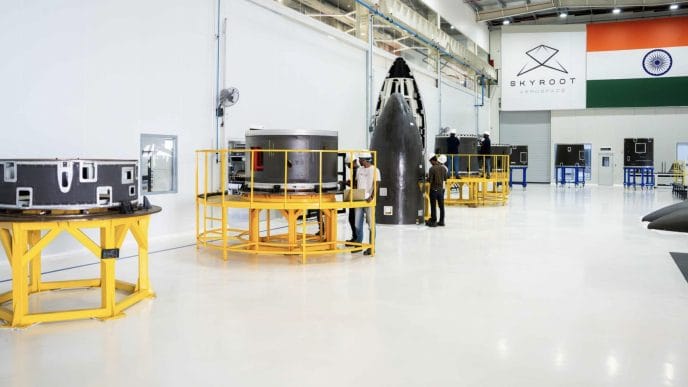
As India’s private space ecosystem matures and launch demand expands, reusable systems will become increasingly central to maintaining competitiveness.
The destination is the same; the journey is simply more deliberate.
More Than Rockets: A New Economic Engine
Reusable launch vehicles are often portrayed as engineering marvels, but their greatest significance is economic.
Every reduction in launch cost creates opportunities that previously seemed impractical.
Cheaper launches enable thousands of new satellites providing broadband internet to remote villages, precision farming for agriculture, improved weather forecasting, disaster monitoring, navigation services, environmental observation, and scientific research.
Lower costs also encourage universities, startups, and developing nations to participate in space missions that were once reserved for superpowers.
In effect, reusable rockets democratise access to space.